White, pink, and brown noise for babies: what the names mean
Understand white, pink, and brown noise without turning a sound preference into a baby sleep promise. Includes a simple listening checklist.
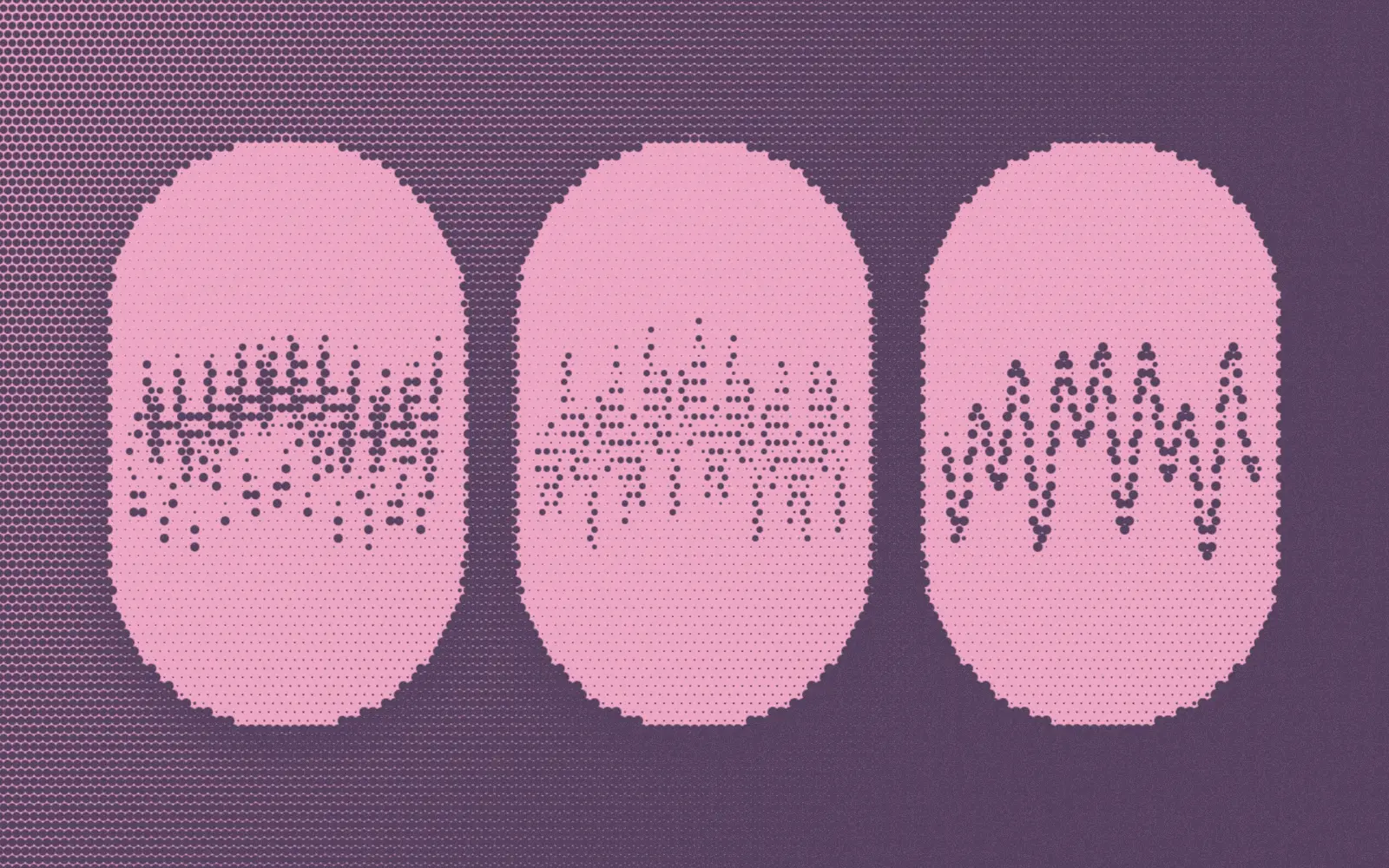
White, pink, and brown noise describe how sound energy is distributed across frequencies. They can have noticeably different textures, but the names do not tell you which sound will make your baby sleep or whether a particular playback level is appropriate.
Think of the labels as vocabulary for choosing what to listen to. White noise is often described as a brighter hiss, pink noise as less bright, and brown noise as a deeper rumble. Those descriptions are a starting point, not a scorecard.
What changes between the colors?
White noise distributes energy evenly across equal-width frequency bands. Pink noise gives relatively more weight to lower frequencies; brown noise has an even stronger low-frequency emphasis. Nationwide Children’s Hospital’s introduction offers an accessible overview of these sound families.
In everyday language, you might call one “hissy,” another “soft and broad,” and another “low and rumbly.” These are subjective descriptions. Your phone’s speaker may also reproduce a deep sound differently from a larger speaker.
The color is not the volume. Brown noise can still be too loud. White noise can be played quietly. A warmer-sounding recording does not come with a separate safety exemption.
Rain and fans are descriptions, too
Sound apps often put noise colors beside rain, water, fan, and shushing sounds. That can make the categories look interchangeable.
They describe different things. “Pink noise” refers to a frequency distribution. “Rain” tells you the scene a recording or designed sound evokes. A rain track may contain individual drops, changes in intensity, or thunder; a different rain track may be quite even. Two recordings with the same label can sound different.
A fan recording is also not the same thing as running a physical fan in a room. Choose it for its sound texture, not because you assume it recreates every property or effect of the appliance.
This distinction helps when you dislike a sound. You do not need to decide that “rain doesn’t work.” You may simply dislike the prominent droplets or sudden changes in that particular track.
A preferred sound is not a proven best sound
Be cautious with headlines that award one color a medical benefit. Research in adults, a laboratory playback method, and a commercial recording played near a baby’s sleep space are different situations. Northwestern Medicine’s overview discusses noise colors and sleep research; it should not be read as a prescription for infant sleep.
A claim about adult memory or precisely timed laboratory sounds does not establish that leaving a pink-noise app on will improve a baby’s brain development. Likewise, a parent saying a particular sound was pleasant does not establish that it produced longer sleep.
You can choose a texture you find unobtrusive without making those claims. You can also decide not to use background sound. A sound machine is an optional tool, not a measure of how well you have prepared for bedtime.
Compare textures before bedtime gets busy
Do your initial listening while an adult is setting up, without making a baby part of a sound comparison. Keep the playback low and use the device you intend to use. Do not use headphones on a baby.
Try this small decision process:
- Listen briefly to one sound.
- Describe it in ordinary words: bright, low, smooth, watery, airy.
- Decide whether it is a texture you want in the room.
- If needed, compare one alternative.
- Choose a starting option and stop browsing.
This is a way to reduce decisions. It is not a sleep experiment or a validated method for identifying a baby’s ideal sound. There is no reason to keep auditioning the whole library while someone is waiting to start the routine.
Keep the room in the decision
Imagine two adults choosing a sound for a small bedroom. One dislikes a bright hiss. The other wants something without obvious water droplets. They might choose a low, steady texture because both find it easy to live with.
That is a practical preference decision. It does not demonstrate that the sound is best for babies or that the room is now protected from noise. If a cabinet is repeatedly slamming next door, addressing the cabinet may matter more than switching colors.
The device location, playback level, and duration still need attention. Follow the AAP’s guidance to use distance, low volume, and limited exposure; our baby sound-machine setup checklist links the primary sources and walks through the practical checks.
When mixing makes the choice harder
Two sounds can create a texture you like, but a second layer is optional. Start with one. Adding another layer also changes the combined sound, so revisit the overall level instead of assuming two individually low controls produce the same result as one.
Avoid choosing exact mix percentages from someone else’s social post as a recipe for your room. Different devices and playback settings change the result. A clip heard through Instagram or YouTube is especially unsuitable as a real-world volume reference.
If you keep changing combinations because none seems “correct,” pause. You are choosing an optional household sound, not solving a test with one hidden answer. Our guide to choosing sleep sounds offers a short way to make that decision and move on.
A sound vocabulary you can share
For a caregiver handoff, plain descriptions are useful:
- “We chose the lower, steady sound.”
- “This is the rain recording without a dramatic storm.”
- “Here is how to turn it down and stop it.”
Add the actual device and location. A color name on its own leaves too much for the next person to guess.
Daymoon includes white, pink, and brown noise alongside other sound textures, with the option to combine two. The useful feature is having a manageable choice available when you need it. None of the sound names promises a particular sleep outcome.
Written by the Daymoon editorial team. Educational information, not individualized medical advice. Sources checked October 14, 2026.
These guides offer general information, not individualized medical advice. Sound is optional and does not replace safe sleep practices or care from your child’s clinician.